Est. 1882 · Vol. I · 2026 Edition
The Long Story
of Light
Where your energy comes from, where it's going, and where you belong in the narrative.
Sustain Chronicle Press · London · New York
he grandmother in Fresno opened her July bill and sat down very slowly. Not from age — from arithmetic. The number at the bottom was not a typo. It was a reckoning. Across the country, a farmer in Kansas watched the aquifer reading drop for the fourth consecutive season, and a student in Detroit chose an engineering major wondering if the industry would still exist by graduation.
We have been telling ourselves this is a future problem. The evidence says otherwise. The grid is under pressure not from some distant catastrophe but from the accumulated weight of a century of convenient choices — coal dug from places we never visited, oil piped from countries we never visited, gas burned in furnaces we never questioned.
“The crisis is not at the power plant. It is at the kitchen table.”
But here is what the bill does not show you: the cost of doing nothing compounds faster than any utility rate increase. The grandmother's grandchildren will pay it. The farmer's aquifer will not refill in a generation. The student's career will be shaped by decisions made in the next five years — not the next fifty.
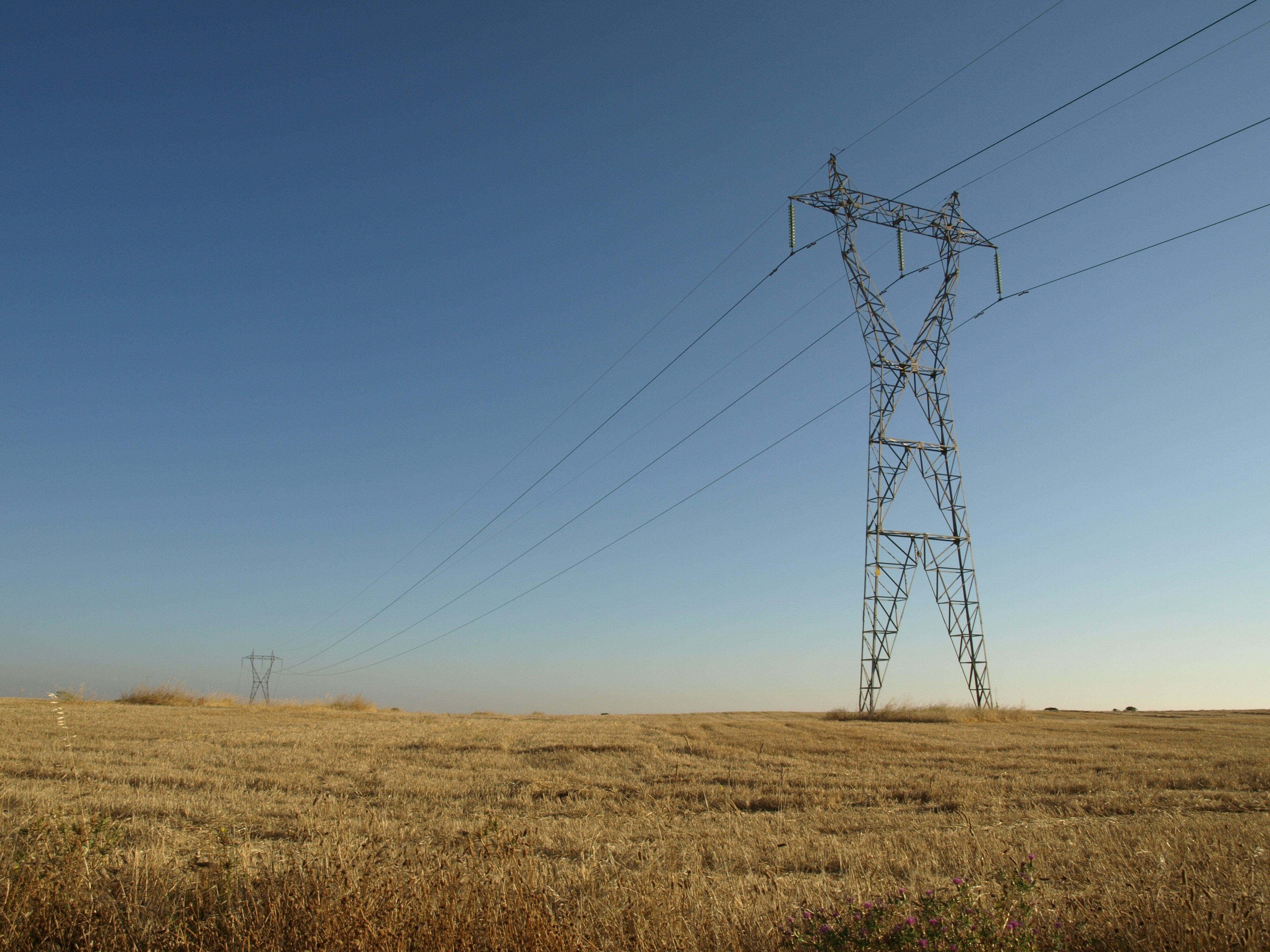
The grandmother in Fresno opened her July bill and sat down very slowly. The farmer in Kansas watched the aquifer reading drop again. The student in Detroit chose a major and wondered if the industry would still exist by graduation. These are not statistics. These are the opening lines of the same story.
“The light that powers your home has a history. It is time to know it.”
Renewable energy is not a new idea. It is the original one.
Before the first coal shaft was sunk in Northumberland, before the first oil derrick was raised in Pennsylvania, human civilizations built their power supply from what moved overhead: wind, water, and light. The fossil fuel era was the interruption. This is the return.
A brief chronology of the longest story
Wind fills the first sail
Egyptian reed boats harness the Nile breeze. Humanity's first energy partnership — not extraction, but collaboration.
The Persian windmill
Vertical-axis mills in the Sistan region grind grain and pump water. Renewable energy as infrastructure, not novelty.
Becquerel discovers the photovoltaic effect
A nineteen-year-old French physicist places silver chloride in acid, connects it to platinum electrodes, and watches electricity flow from light.
Bell Labs: 6% efficiency
The first practical silicon solar cell powers a toy Ferris wheel at a press demonstration. A reporter calls it “the beginning of a new era.” He was right by seventy years.
Solar becomes cheapest electricity in history
The International Energy Agency confirms it. The oldest partnership between humans and the sky is also, now, the most economical.
“We did not run out of wind. We forgot we had it.”
Choose your
chapter.
Each spoke is a self-contained arc. You can read in sequence or navigate by the question that is most urgent to you.
Solar
Light as Infrastructure
“The payback period is now shorter than a car loan.”
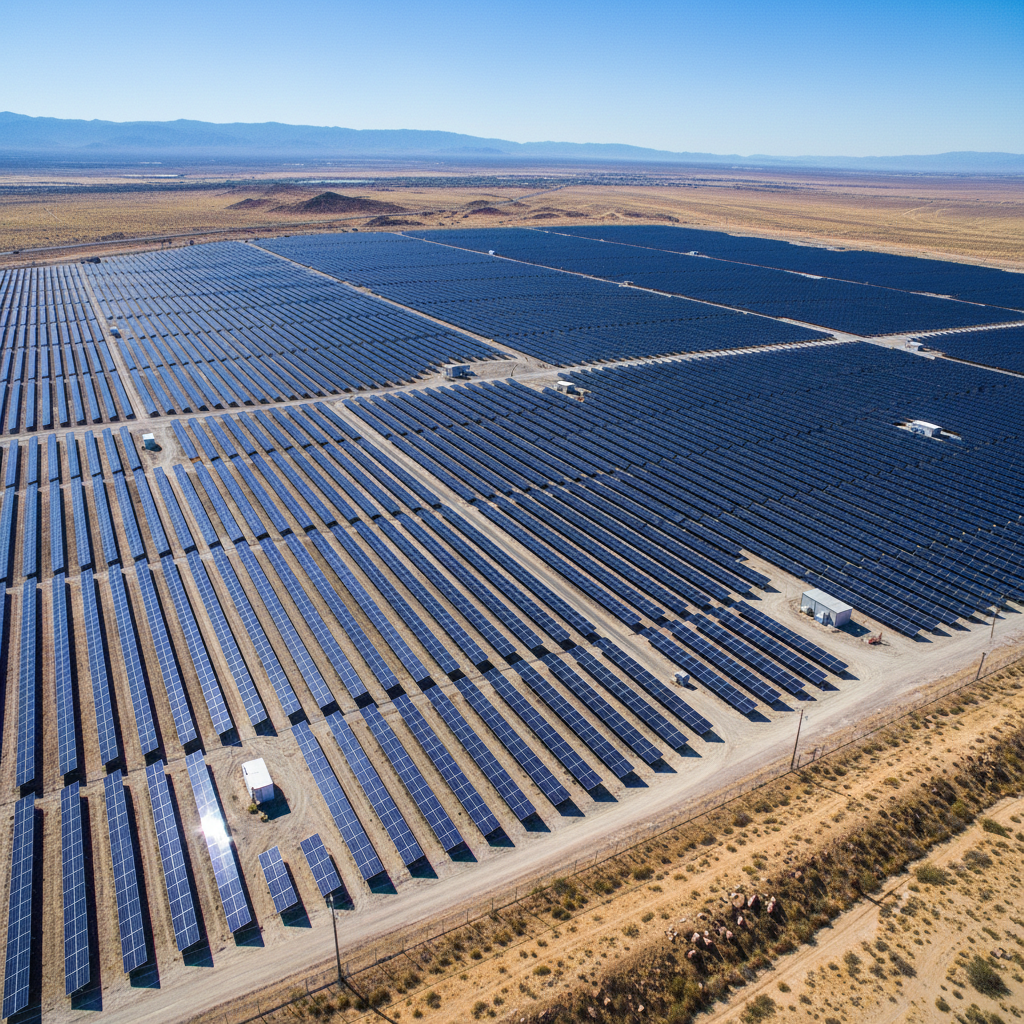
From the Bell Labs silicon cell to the desert megaprojects of the Atacama, this chapter follows photovoltaic technology from laboratory curiosity to the cheapest electricity source in human history. For homeowners, we map the real numbers — not the optimistic brochure numbers.
Read Chapter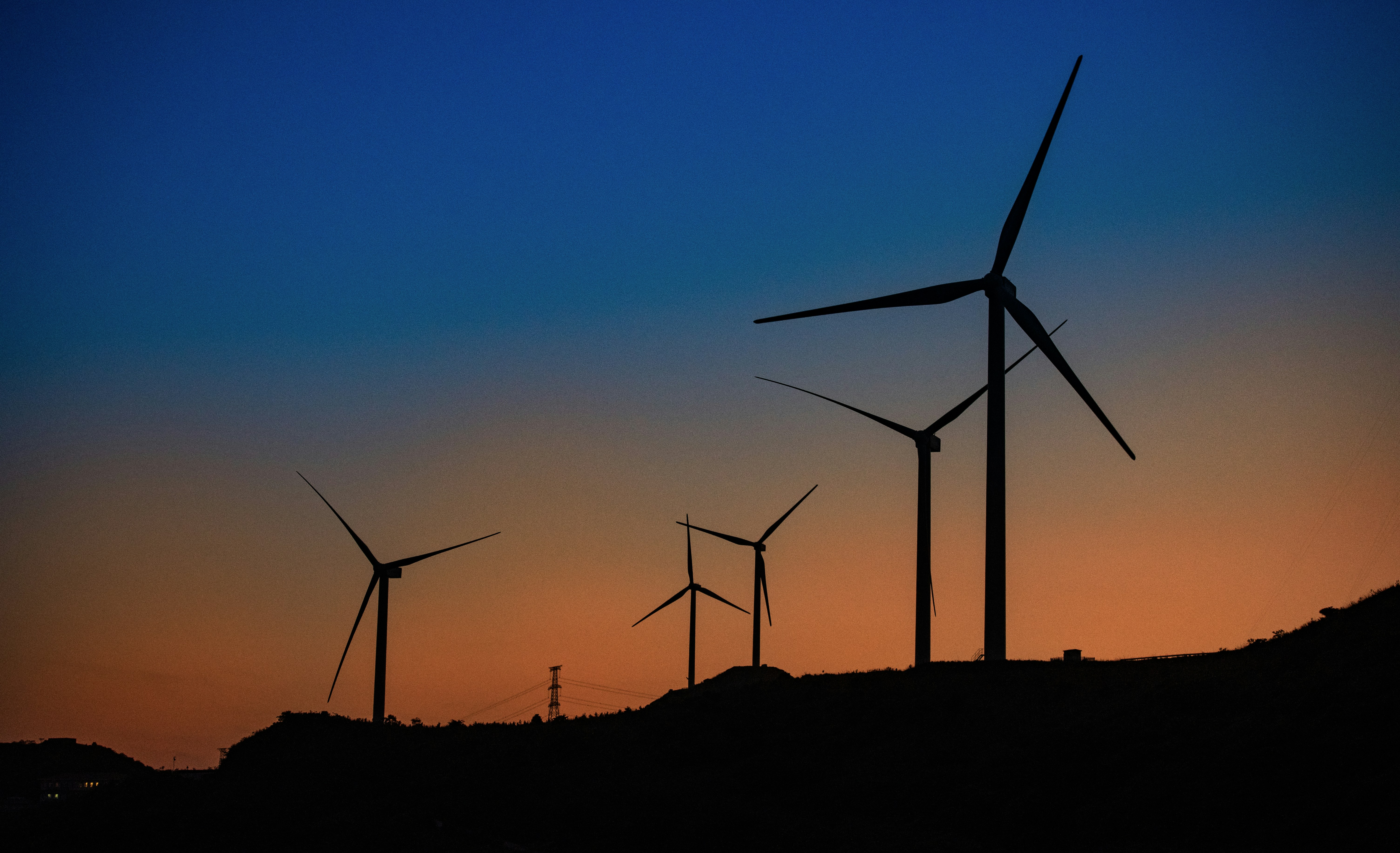
Wind
The Moving Architecture
“A turbine blade is 73 meters of engineering argument.”
Offshore, onshore, vertical-axis. The wind industry has built more generating capacity in the last decade than coal built in the last century. We follow the engineers who design the blades, the communities that host the towers, and the grid operators who balance the variability.
Read Chapter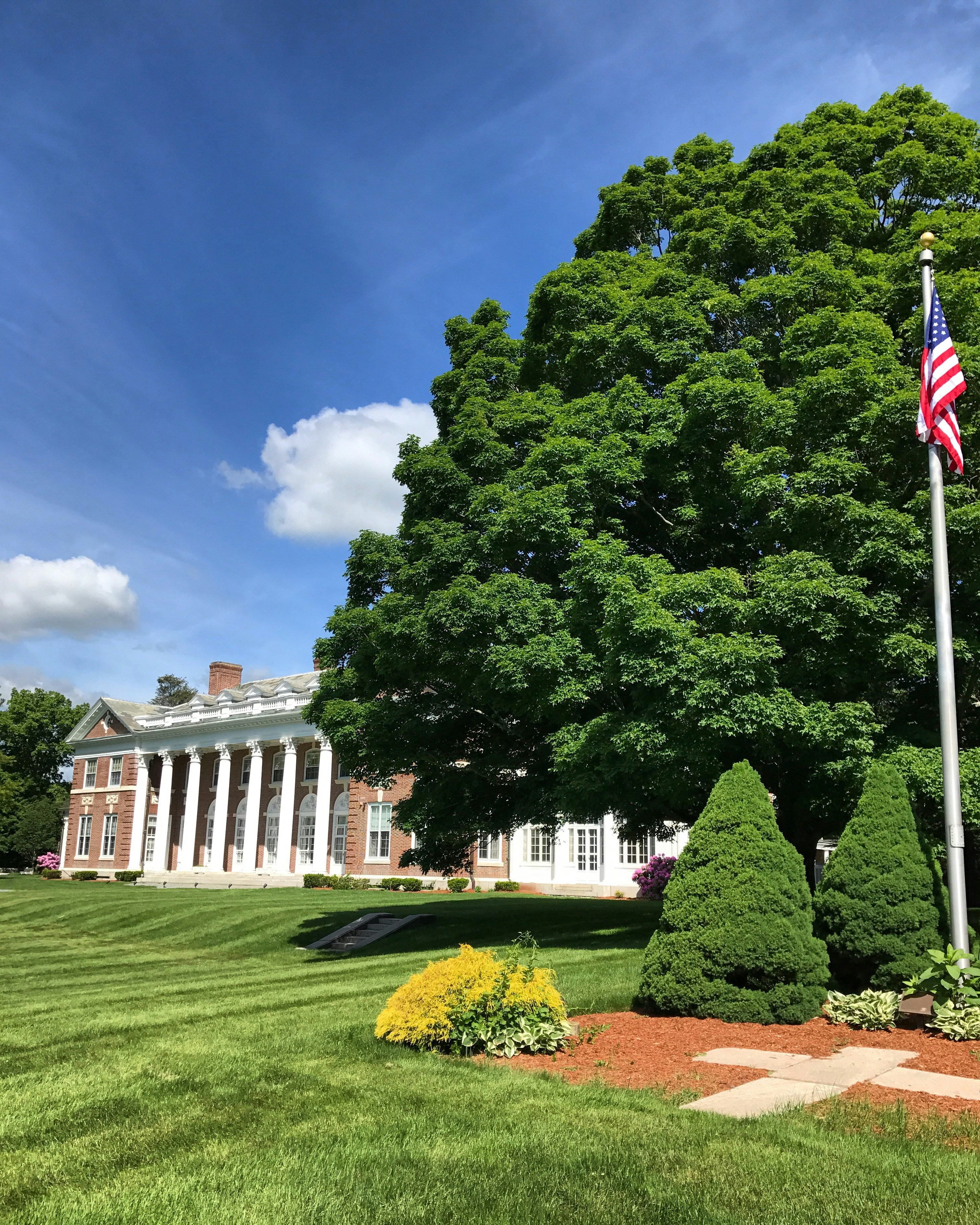
Policy
The Legislation of Light
“Every subsidy is a vote about which future we want.”
The Inflation Reduction Act reshaped American energy economics more than any event since the 1970s oil embargo. This chapter is a guide for sustainability officers, advocates, and anyone who needs to understand why the regulatory landscape matters as much as the technology.
Read ChapterHome
The Personal Grid
“Your roof is a power plant waiting for a permit.”
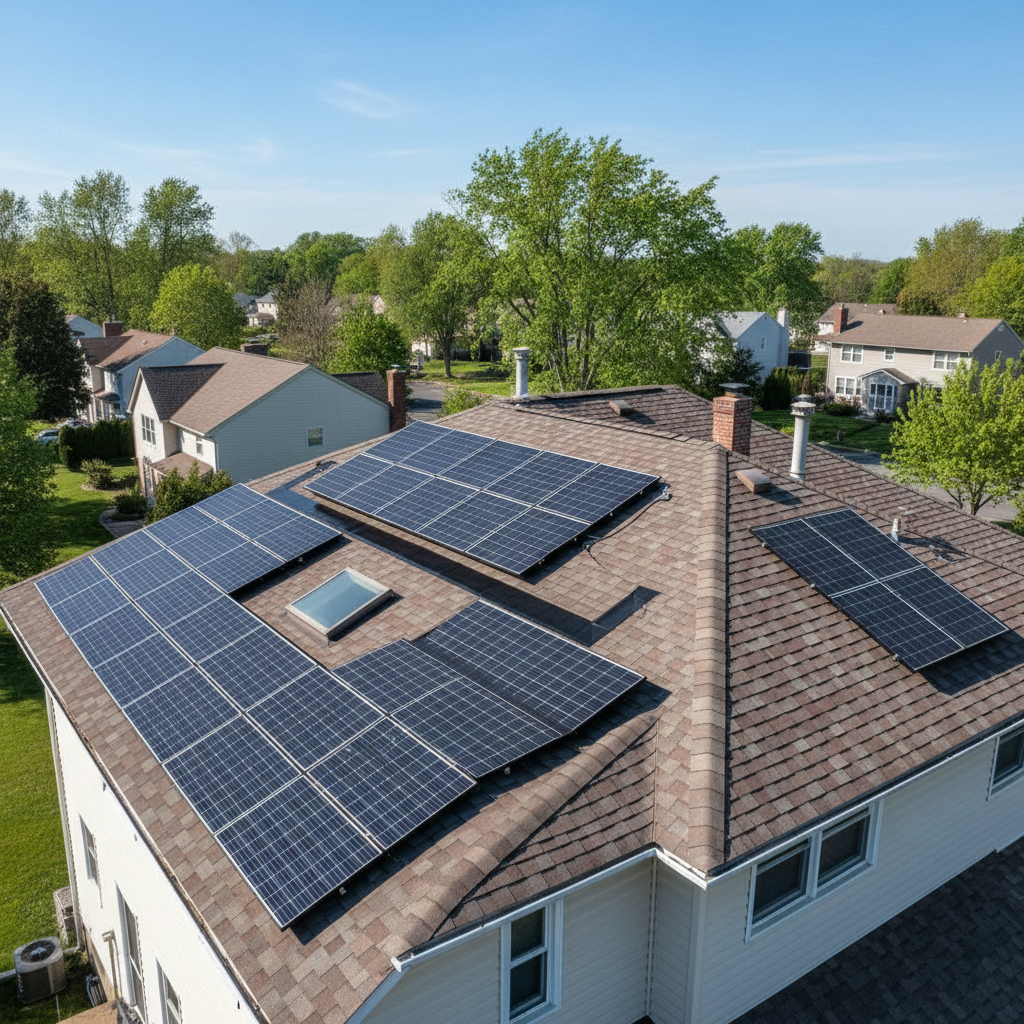
Rooftop solar, heat pumps, induction stoves, battery storage, EV charging. The home energy transition is not an abstract policy debate — it is a series of decisions you can make this year. We walk through each one with honest economics and no salesmanship.
Read Chapter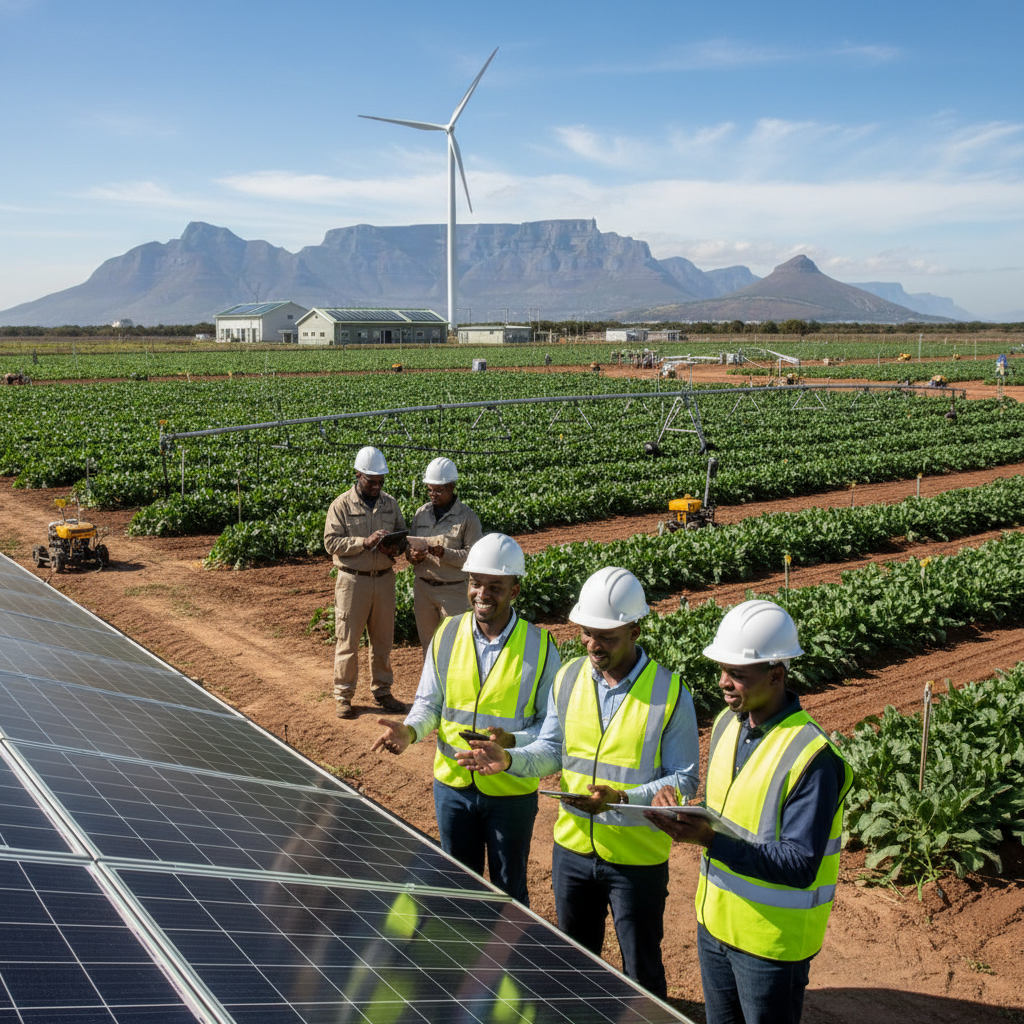
Career
The Work That Outlasts the Fuel
“The fastest-growing job in America installs solar panels.”
Grid modernization, offshore wind installation, battery chemistry, policy analysis, climate finance. The renewable energy sector is the largest employment growth story of the 2020s. This chapter maps the roles, the skills, and the companies hiring people who want their work to matter.
Read Chapter“The story of energy is the story of civilization. You are not a reader of this chronicle. You are a character in it.”